

SANS 53501-1: A Step Forward in Fire Safety – But Is It Enough for South Africa’s Reality?
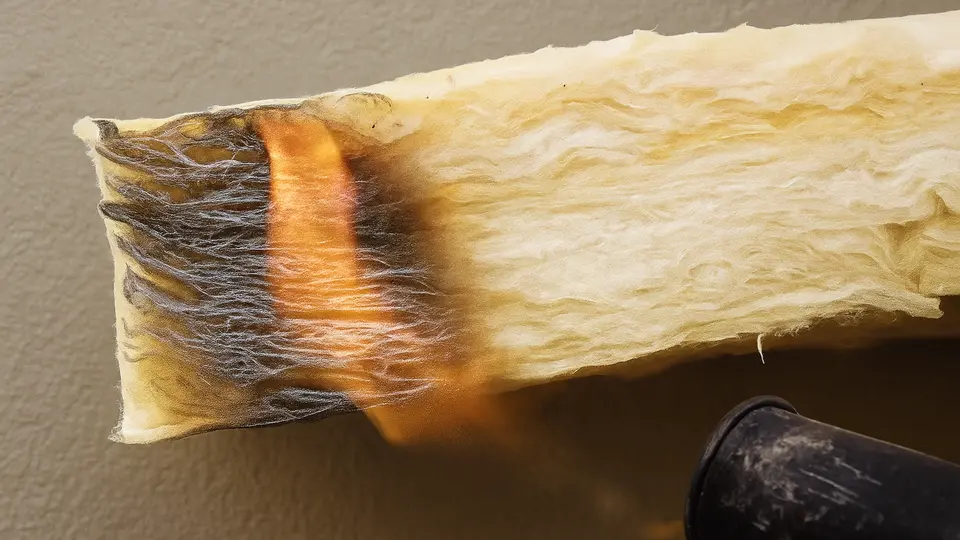
South Africa’s recent adoption of SANS 53501-1, effective 1 January 2025, marks a significant milestone in aligning local building regulations with international best practices. This standard, which replaces SANS 428, introduces a more rigorous classification system for thermal insulation products based on their reaction-to-fire performance, mirroring the European EN 13501-1 Euroclass system. Under this framework, insulation materials are now rated from A1 (non-combustible) to F (highly combustible), with additional indicators for smoke production (s1–s3) and flaming droplets (d0–d2), [tipsasa.co.za].
Why This Matters
Previously, South Africa relied on a binary classification: non-combustible (A) or combustible (B). The new system introduces nuance, recognizing that even “limited combustibility” can pose risks in real-world fire scenarios. For example, an A2-s1,d0 product is still considered safe but not as robust as A1, which offers zero contribution to fire and no smoke or flaming droplets. [buildingan...ecor.co.za], [insulationgo.co.uk]
This evolution is a step in the right direction, but does it fully address South Africa’s unique context? Consider this: in many local homes, security bars cover windows, severely limiting escape routes during a fire. In such environments, the margin for error is slim. Shouldn’t our standards be even stricter than Europe’s, given these realities?
The Case for Non-Combustible Insulation
Fire safety isn’t just about compliance—it’s about future-proofing buildings and protecting lives. Non-combustible insulation, such as Isover glasswool, rated A1 or A2-s1,d0 under SANS 53501-1, offers unparalleled peace of mind:
- Zero Contribution to Fire Spread: A1-rated Isover products will not ignite or fuel a fire, buying critical time for evacuation.
- Minimal Smoke & No Flaming Droplets: Preserves visibility and air quality during emergencies, reducing secondary fire risks.
- Structural Integrity Under Heat: Maintains performance even under extreme temperatures, safeguarding building stability. [insulation...ouse.co.za], [isover.co.za]
For commercial property owners, the benefits go beyond safety. Installing non-combustible insulation in metal buildings future-proofs your investment. If a high-risk tenant (e.g., manufacturing or warehousing) occupies the space later, you won’t face costly retrofits to meet stricter fire requirements. It’s a strategic decision that protects both people and profits.
Why Isover Glasswool?
Isover’s range—including Aerolite®, Cavitybatt™, and Factorylite®—is certified under SANS 53501-1 with A1 or A2-s1,d0 ratings, ensuring compliance with SANS 10400-T:2024 Edition 5. These products deliver:
- Superior thermal and acoustic performance
- EUCEB certified, EPD verified and locally manufactured solutions
- Long-term energy savings and fire safety compliance. [specifile.co.za], [isover.co.za]
A Call to Action
SANS 53501-1 is progress, but South Africa’s fire safety strategy must evolve further. Our building codes should reflect local realities—limited escape routes, high-density urban housing, and the growing complexity of commercial spaces. Until then, the most responsible choice for architects, developers, and homeowners is clear: design fire risk out of your building from the start by choosing non-combustible insulation.
Because when lives and investments are at stake, “good enough” isn’t good enough.