
The Silent Efficiency of HVAC: Why Sonic Liner Insulation Matters
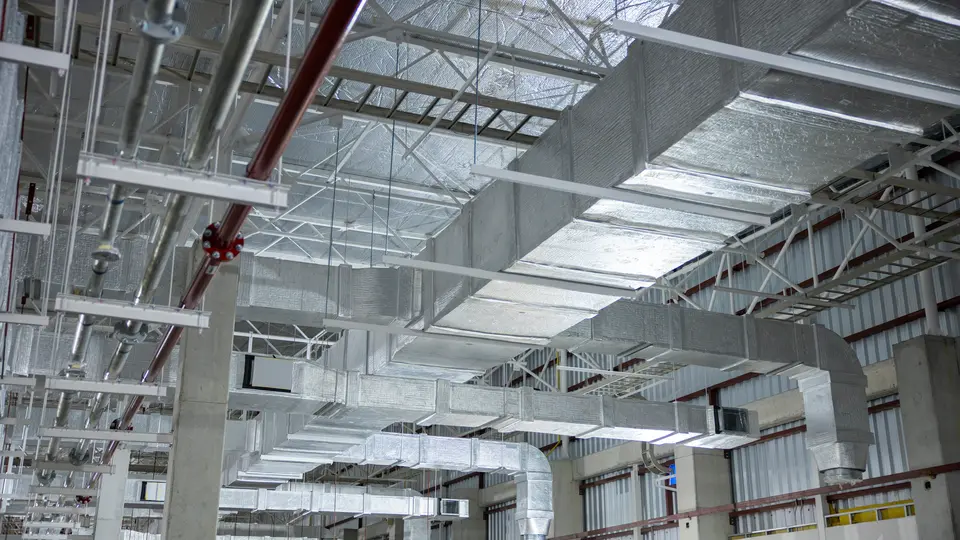
Sonic Liner is a flexible glasswool insulation for HVAC ducts, designed with an acoustically permeable black woven glass-cloth facing. It delivers outstanding sound absorption, thermal efficiency, and low air friction, reducing noise, saving energy, and improving indoor comfort in commercial and residential buildings.
In today’s built environment, comfort is no longer defined solely by temperature. Occupants demand quieter, more energy-efficient spaces where mechanical systems operate in the background—unnoticed and uninterrupted. At the heart of this expectation lies a critical, often overlooked component of HVAC design: duct insulation. Among the advanced solutions available, Sonic Liner stands out as an innovation that marries acoustical performance with thermal efficiency.
How Sonic Liner Works
Sonic Liner is a flexible glasswool insulation blanket engineered specifically for HVAC duct applications. Its construction is deceptively simple but highly effective: the insulation core is faced with an acoustically permeable black woven glass-cloth that directly addresses noise within air handling systems. The air stream surface, lined with this material, allows sound energy to penetrate and dissipate into the fibrous glasswool, where it is absorbed rather than transmitted.
To ensure airtight installation, Sonic Liner incorporates a 35 mm overlapping flange of the facing material on both sides. This clever detail enables effective sealing between adjoining sections, minimizing leakage and preserving both acoustical and thermal performance. The result is a lining that not only reduces noise but also helps maintain efficient airflow, thanks to its design that generates low air friction within ducts.
The Benefits of HVAC Insulation
The use of insulation within HVAC systems serves multiple purposes—each of which directly improves building performance and occupant satisfaction:
Acoustic Control
Modern offices, hospitals, and residences rely on HVAC systems that deliver comfort without distraction. Uninsulated or poorly insulated ducts can transmit fan noise, motor hums, and airflow turbulence throughout a building. Sonic Liner tackles this challenge head-on by absorbing and attenuating sound at its source, creating quieter indoor environments that support productivity, healing, and rest.
Thermal Efficiency
Heat gain or loss through ducts is a silent culprit of energy waste. By providing a high-performance thermal barrier, Sonic Liner minimizes thermal transfer, ensuring conditioned air reaches occupants at the desired temperature. This reduces the load on chillers and boilers, translating into lower operating costs and smaller carbon footprints.
Airflow Integrity
The black woven glass-cloth facing is not only acoustically permeable but also smooth enough to limit air resistance. Reduced friction within ducts helps maintain designed air velocities and pressures, contributing to balanced airflow distribution and better overall system performance.
Durability and Cleanability
With its robust woven glass-cloth facing, Sonic Liner is designed to withstand the air stream environment. It resists erosion and provides a clean, durable surface that extends service life—an essential consideration in commercial and institutional projects where long-term performance is key.
A Smart Investment for the Future
As buildings move toward higher performance standards, the role of HVAC insulation becomes more vital. Sonic Liner exemplifies how thoughtful engineering can deliver multi-dimensional benefits: quieter spaces, lower energy bills, and improved occupant comfort. For designers, contractors, and facility managers, it represents not just an insulation product but an investment in the kind of building performance that modern occupants expect.
In a world increasingly defined by efficiency and comfort, Sonic Liner is more than an accessory—it’s a cornerstone of better HVAC design.